
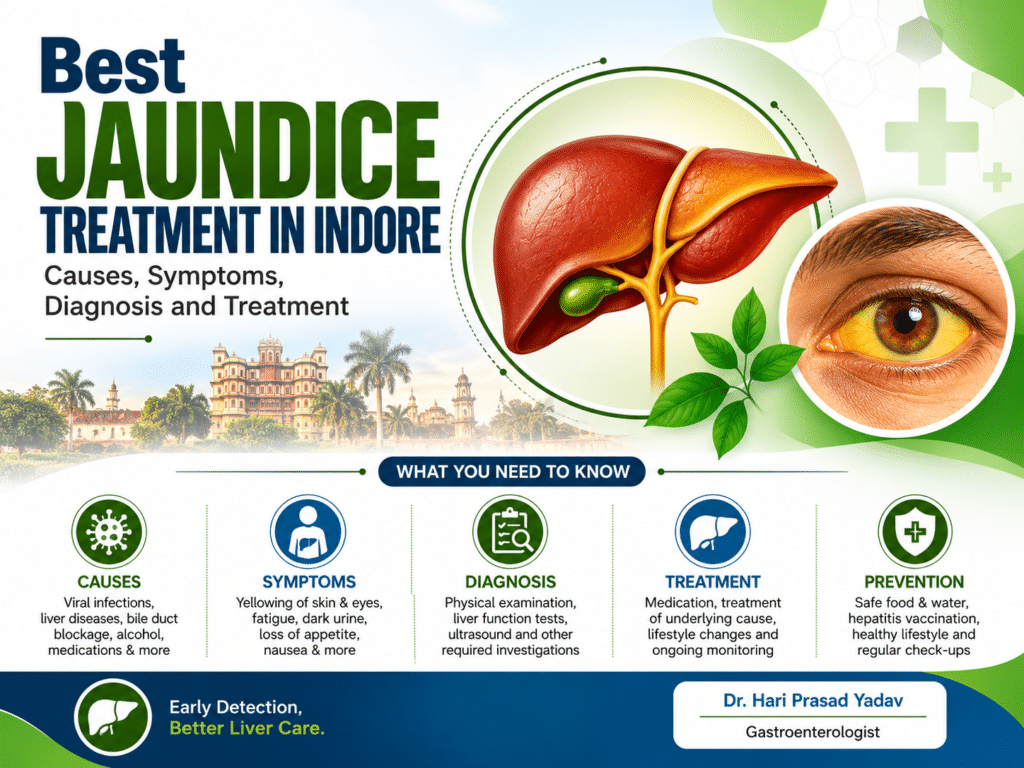
Jaundice is a condition in which the skin or the whites of the eyes become yellow because bilirubin builds up in the body. Bilirubin is produced when red blood cells are broken down, and the liver normally processes it so that it can leave the body through bile. When bilirubin production, processing, or drainage is disrupted, jaundice can occur.
Jaundice can develop because of several conditions, including hepatitis, liver disease, gallstones, bile duct obstruction, alcohol-associated liver disease, certain medicines, and disorders that cause increased breakdown of red blood cells. Because the causes can be very different, Jaundice Treatment in Indore should be based on identifying the underlying reason for the increased bilirubin rather than treating the yellow discoloration alone.
Understanding the causes, symptoms, diagnostic tests, and treatment options can help patients recognize when medical evaluation is important.
What Is Jaundice?
Jaundice occurs when bilirubin accumulates in the blood and tissues, causing a yellowish appearance of the skin and the whites of the eyes.
Bilirubin is a yellow substance formed when the body breaks down old red blood cells. The liver processes bilirubin and helps eliminate it through bile. Problems at different stages of this process can result in jaundice.
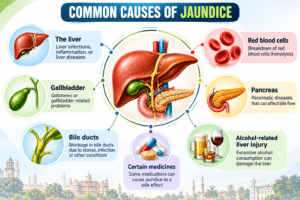
Jaundice may be associated with problems involving:
- The liver
- Gallbladder
- Bile ducts
- Red blood cells
- Pancreas
- Certain medicines
- Alcohol-related liver injury
Therefore, jaundice should not automatically be assumed to be caused by one specific liver condition.
What Causes Jaundice?
There are many possible causes of jaundice. The underlying cause may involve increased bilirubin production, impaired processing by the liver, or blockage of bile flow.
Common causes include:
- Viral hepatitis
- Alcohol-associated liver disease
- Fatty liver-related liver injury
- Gallstones
- Bile duct obstruction
- Pancreatic disorders
- Autoimmune liver diseases
- Certain medicines
- Genetic conditions such as Gilbert syndrome
- Increased breakdown of red blood cells
- Cirrhosis
- Certain liver or bile duct cancers
The exact cause needs to be established through medical history, examination, blood tests, and sometimes imaging.
Jaundice and Liver Disease
The liver plays a central role in processing bilirubin. When liver cells become inflamed or damaged, the liver may not process and remove bilirubin effectively.
Conditions such as hepatitis, cirrhosis, alcohol-associated liver disease, and other liver disorders can therefore cause jaundice.
People with chronic liver disease may also develop other symptoms depending on the severity of liver damage, including fatigue, itching, abdominal swelling, leg swelling, or changes in urine and stool color.
For this reason, a Jaundice Specialist in Indore may need to evaluate not only bilirubin levels but also the overall condition of the liver.
Symptoms of Jaundice
The most recognizable symptom of jaundice is yellow discoloration of the skin and whites of the eyes.
Other symptoms can occur depending on the underlying cause.
Common symptoms may include:
- Yellow eyes
- Yellowish skin
- Dark urine
- Pale or light-colored stools
- Itchy skin
- Fatigue
- Loss of appetite
- Nausea or vomiting
- Abdominal discomfort
- Fever in some infections
- Unexplained weight loss in some conditions
Dark urine and pale stools can occur when bilirubin or bile flow is affected.
Not every person with jaundice will experience all of these symptoms.
Why Does Urine Become Dark During Jaundice?
Dark or tea-colored urine can occur when bilirubin levels increase and bilirubin is excreted through the urine.
Pale or clay-colored stools may occur when bile is not reaching the intestine normally, such as with certain bile duct obstructions.
These changes can provide useful clues to doctors when determining the possible cause of jaundice.
Types of Jaundice
Jaundice can be broadly understood according to where the problem occurs in the bilirubin pathway.
Prehepatic Jaundice
This can occur when red blood cells are being broken down more rapidly than usual, producing more bilirubin than the liver can process.
Conditions associated with increased red blood cell breakdown can therefore contribute to jaundice.
Hepatic Jaundice
Hepatic jaundice occurs when the liver itself has difficulty processing bilirubin.
Possible causes include:
- Hepatitis
- Alcohol-associated liver disease
- Fatty liver-related liver injury
- Autoimmune hepatitis
- Cirrhosis
- Certain medicines
- Other liver disorders
Posthepatic Jaundice
Posthepatic jaundice can occur when bile flow is obstructed after bilirubin has been processed by the liver.
Possible causes include:
- Gallstones
- Bile duct narrowing
- Bile duct disorders
- Pancreatic conditions
- Certain tumors
Gallstones that block bile ducts can cause jaundice along with abdominal pain, fever, chills, dark urine, or light-colored stools and require prompt medical evaluation.
How Is Jaundice Diagnosed?
Diagnosis begins with understanding the patient’s symptoms, medical history, medicines, alcohol use, previous liver conditions, and other health problems.
A doctor may perform a physical examination and order blood tests and imaging studies.
Medical history may include questions about:
- Recent illness
- Hepatitis exposure
- Alcohol consumption
- Current medicines
- Herbal supplements
- Previous liver disease
- Gallstones
- Abdominal pain
- Weight changes
- Family history
- Recent travel or infections
The diagnosis is directed toward finding the cause of the elevated bilirubin rather than simply confirming jaundice.
Blood Tests for Jaundice
Blood testing is an important part of Jaundice Treatment in Indore because it can help determine whether the problem is related to the liver, bile ducts, or another condition.
Tests may include:
- Total bilirubin
- Direct bilirubin
- Indirect bilirubin
- ALT
- AST
- Alkaline phosphatase
- GGT
- Albumin
- Complete blood count
- Other tests based on suspected cause
Bilirubin testing can help identify jaundice and investigate possible liver disease, bile duct obstruction, hepatitis, medication-related injury, or increased breakdown of red blood cells.
Ultrasound for Jaundice
An abdominal ultrasound may be recommended when doctors need to examine the liver, gallbladder, or bile ducts.
It can help identify findings such as:
- Gallstones
- Bile duct dilation
- Liver abnormalities
- Gallbladder abnormalities
- Certain structural changes
If additional information is required, doctors may recommend CT, MRI, MRCP, or other imaging depending on the suspected cause.
ERCP in Jaundice
Endoscopic retrograde cholangiopancreatography, commonly known as ERCP, may be used in selected patients when a bile duct problem needs detailed evaluation or treatment.
ERCP can allow doctors to examine the bile ducts and, in appropriate situations, treat certain obstructions such as gallstones or place a stent to help maintain bile drainage.
For example, gallstones identified during ERCP may sometimes be removed during the procedure.
ERCP is not required for every patient with jaundice. The decision depends on the suspected diagnosis and imaging findings.
What Is the Treatment for Jaundice?
There is no single medicine that treats every case of jaundice.
Jaundice Treatment in Indore depends primarily on the cause.
For example:
- Viral hepatitis may require disease-specific management.
- Gallstone-related obstruction may require removal of the obstruction.
- Medicine-related liver injury may require stopping the responsible medicine under medical supervision.
- Alcohol-associated liver disease requires management of alcohol-related injury.
- Autoimmune liver disease may require specific medical treatment.
- Severe liver disease may require advanced hepatology care.
- Certain bile duct disorders may require endoscopic or surgical treatment.
The treatment plan should therefore be based on a confirmed or strongly suspected underlying cause.
Jaundice Treatment for Hepatitis
Hepatitis means inflammation of the liver and can have several causes, including viral infections and alcohol-related injury.
Some forms of viral hepatitis can cause jaundice along with fatigue, nausea, abdominal discomfort, dark urine, and pale stools.
Treatment depends on the type of hepatitis.
Doctors may recommend:
- Specific antiviral treatment when indicated
- Monitoring of liver function
- Adequate nutrition and hydration
- Avoidance of alcohol
- Management of complications
- Regular follow-up
Not every type of hepatitis requires the same treatment.
Jaundice Due to Gallstones
Gallstones can sometimes block the bile ducts and cause jaundice.
Patients may experience:
- Upper abdominal pain
- Nausea
- Vomiting
- Fever
- Chills
- Yellow eyes
- Dark urine
- Pale stools
A blocked bile duct can lead to serious complications, so symptoms involving jaundice, abdominal pain, and fever should receive prompt medical attention.
Depending on the findings, treatment may involve endoscopic procedures such as ERCP, surgery, or other interventions.
Jaundice and Alcohol-Associated Liver Disease
Long-term excessive alcohol use can damage the liver and, in some cases, lead to alcohol-associated hepatitis.
Jaundice is a common feature of severe alcohol-associated hepatitis because liver injury can interfere with bilirubin processing.
Management may involve stopping alcohol use, nutritional support, medical monitoring, and treatment of complications.
People with suspected alcohol-related liver disease should seek medical advice rather than attempting to manage jaundice without identifying the underlying liver condition.
Jaundice Due to Medicines
Some medicines and supplements can cause liver injury in susceptible people.
Toxic hepatitis can result from certain medicines, supplements, alcohol, or other substances. Symptoms may include jaundice, itching, fatigue, nausea, abdominal discomfort, and dark urine.
If medication-related liver injury is suspected, a doctor may review the patient’s medicines and determine whether a particular drug should be stopped or changed.
Patients should not discontinue prescribed medicines on their own without medical guidance unless they are receiving urgent instructions for a suspected reaction.
Is Jaundice Dangerous?
Jaundice can sometimes result from a relatively mild condition, but it can also be a sign of significant liver disease, bile duct obstruction, hepatitis, or another serious disorder.
The severity depends on the underlying cause.
Jaundice accompanied by symptoms such as severe abdominal pain, fever, confusion, vomiting, bleeding, significant weakness, or rapidly worsening yellowing requires prompt medical assessment.
This is why unexplained jaundice should not simply be treated with home remedies.
When Should You See a Jaundice Specialist?
Consider medical evaluation if you notice:
- Yellowing of the eyes
- Yellow skin
- Dark urine
- Pale stools
- Persistent itching
- Unexplained fatigue
- Abdominal pain
- Fever with jaundice
- Repeatedly abnormal liver tests
- Previous hepatitis
- Known liver disease
- Suspected gallstones
- Unexplained increase in bilirubin
The NHS recommends urgent medical evaluation when the skin or whites of the eyes become yellow because jaundice can indicate a serious underlying condition.
Role of a Liver Specialist in Jaundice
A Liver Disease Specialist in Indore can help determine whether jaundice is related to liver disease, bile duct obstruction, gallbladder disease, blood disorders, medication-related injury, or another condition.
Evaluation may include:
- Medical history
- Physical examination
- Bilirubin testing
- Liver function tests
- Viral hepatitis testing
- Ultrasound
- FibroScan or elastography when appropriate
- CT or MRI
- MRCP
- ERCP in selected cases
- Additional investigations based on clinical findings
The exact tests depend on the suspected cause.
Prevention of Jaundice
Not every cause of jaundice can be prevented, but several measures can help reduce certain liver-related risks.
Important measures include:
- Avoid excessive alcohol
- Maintain a healthy body weight
- Eat a balanced diet
- Exercise regularly
- Manage diabetes
- Control cholesterol
- Take medicines only as directed
- Avoid unnecessary supplements
- Follow appropriate hepatitis prevention measures
- Attend medical follow-ups when recommended
Healthy lifestyle habits can support liver health, although they cannot prevent every cause of jaundice.
Benefits of Early Jaundice Evaluation
Early evaluation can help identify the underlying cause before complications develop.
Potential benefits include:
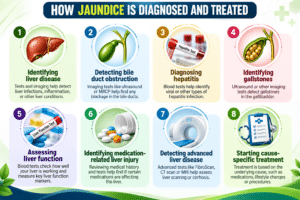
- Identifying liver disease
- Detecting bile duct obstruction
- Diagnosing hepatitis
- Identifying gallstones
- Assessing liver function
- Identifying medication-related liver injury
- Detecting advanced liver disease
- Starting cause-specific treatment
The goal is not simply to reduce bilirubin but to identify and manage the condition responsible for the bilirubin elevation.
Modern Approach to Jaundice Treatment in Indore
Modern Jaundice Treatment in Indore involves a systematic approach to diagnosis and management.
The process may include:
- Identifying jaundice symptoms
- Measuring bilirubin
- Evaluating liver enzymes
- Reviewing medicines and medical history
- Testing for hepatitis when indicated
- Performing ultrasound or other imaging
- Assessing bile duct obstruction
- Treating the underlying cause
- Monitoring liver function
- Providing follow-up care
This approach helps doctors avoid treating jaundice as an isolated symptom.
FAQs – Jaundice Treatment in Indore
What is jaundice?
Jaundice is yellow discoloration of the skin or whites of the eyes caused by an accumulation of bilirubin in the body. It can occur due to liver disease, bile duct obstruction, blood disorders, and other conditions.
What are the common symptoms of jaundice?
Common symptoms include yellow eyes or skin, dark urine, pale stools, itching, fatigue, nausea, and abdominal discomfort. Symptoms vary according to the underlying cause.
What causes jaundice?
Jaundice can result from hepatitis, liver disease, gallstones, bile duct obstruction, alcohol-associated liver disease, certain medicines, increased breakdown of red blood cells, and other conditions.
What tests are used for jaundice?
Doctors may recommend bilirubin and liver function tests, blood tests for specific diseases, ultrasound, CT, MRI, MRCP, or other investigations depending on the suspected cause.
Can jaundice be treated?
Yes, but treatment depends on its cause. There is no single treatment suitable for every case of jaundice.
Is jaundice always caused by liver disease?
No. Jaundice can result from liver disease, bile duct obstruction, gallbladder problems, increased red blood cell breakdown, and certain other conditions.
Can gallstones cause jaundice?
Yes. A gallstone can block a bile duct and cause jaundice. Jaundice associated with abdominal pain, fever, chills, dark urine, or pale stools requires prompt medical evaluation.
Can hepatitis cause jaundice?
Yes. Several forms of hepatitis can cause jaundice along with symptoms such as fatigue, nausea, abdominal discomfort, dark urine, and pale stools. nhs.uk
When should I see a Liver Specialist in Indore?
Medical evaluation is appropriate if you develop unexplained yellowing of the eyes or skin, dark urine, pale stools, persistent abdominal symptoms, abnormal liver tests, or have a known liver condition.
Is jaundice a serious condition?
Jaundice can be associated with both less serious and serious conditions. Because it can indicate liver disease or bile duct obstruction, unexplained jaundice should be medically evaluated.
Conclusion – Jaundice Treatment in Indore
Jaundice is a visible sign that bilirubin has accumulated in the body, but the underlying causes can vary considerably. Hepatitis, liver disease, gallstones, bile duct obstruction, alcohol-associated liver injury, medicines, blood disorders, and other conditions can contribute to jaundice.
For people looking for Jaundice Treatment in Indore, the most important step is identifying the reason behind the increased bilirubin. Blood tests, liver function testing, ultrasound, and other diagnostic procedures may be recommended depending on the symptoms and clinical findings.
Treatment is directed toward the underlying condition rather than jaundice alone. Some patients may require medicines, while others may need management of hepatitis, treatment of gallstones or bile duct obstruction, changes to medicines, or specialized liver care.
If you notice yellowing of your eyes or skin, particularly when it is accompanied by abdominal pain, fever, dark urine, pale stools, vomiting, or significant weakness, timely medical evaluation is important. A Jaundice Specialist in Indore can help assess the possible cause and determine the appropriate diagnostic and treatment pathway.