
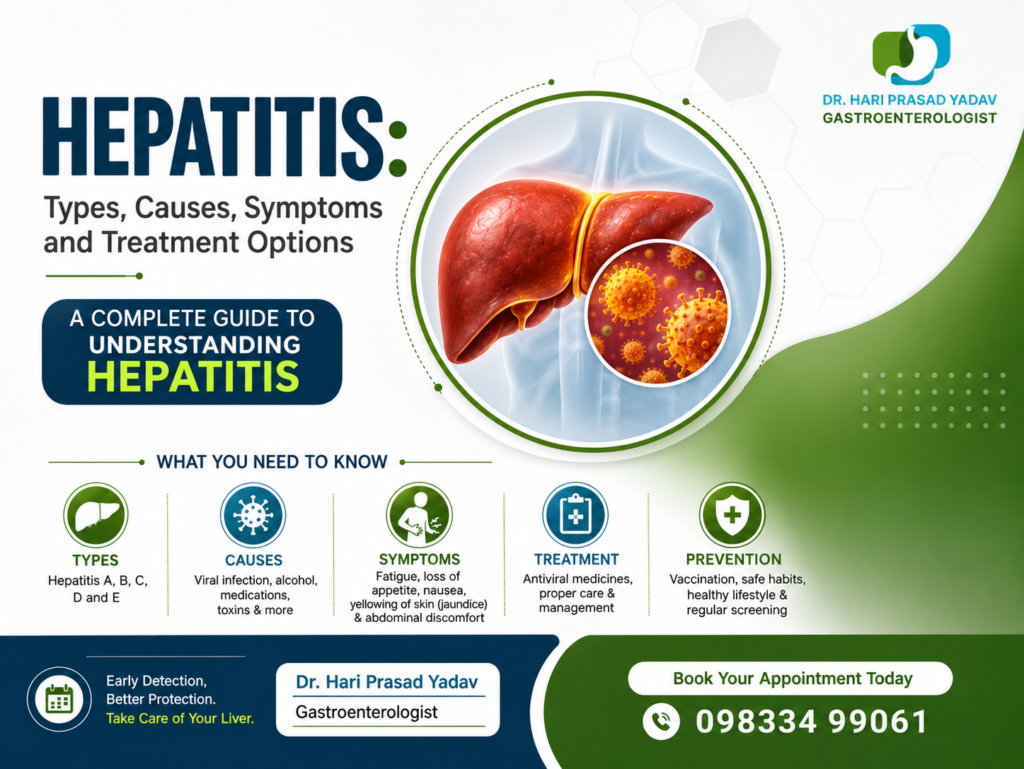
Hepatitis Treatment in Indore is important for people experiencing liver inflammation due to viral infections, alcohol consumption, medications or other underlying health conditions. Hepatitis is a medical condition that affects the liver and can interfere with its ability to perform essential functions such as digestion, metabolism, filtering harmful substances and processing nutrients. Depending on its cause and severity, hepatitis may be temporary or develop into a long-term liver condition. Hepatitis is commonly divided into five major viral types: Hepatitis A, B, C, D and E. Each type has different causes, transmission methods, symptoms and treatment approaches. Some types generally cause short-term infections, while others can lead to chronic inflammation and progressive liver damage.
Many people with hepatitis do not experience noticeable symptoms during the early stages. However, untreated chronic infections may increase the risk of liver fibrosis, cirrhosis and liver cancer. Early diagnosis and appropriate medical evaluation are therefore important for protecting liver health. Consulting a Hepatitis Specialist in Indore can help identify the underlying cause and determine whether treatment or regular monitoring is required.
Dr. Hari Prasad Yadav is a Gastroenterologist and Liver Specialist in Indore. He holds DM in Gastroenterology, MD in Medicine and MBBS qualifications. His clinical expertise includes digestive system disorders, liver diseases, diagnostic endoscopy and minimally invasive procedures. His clinical services include Endoscopy, Endoscopic Ultrasound (EUS), ERCP, SPY-Glass Cholangioscopy, Laser Lithotripsy, Capsule Endoscopy, Upper and Lower GI Endoscopy, Fibroscan and hepatology services.
This article explains the different types of hepatitis, their causes, symptoms, diagnosis, available treatment options and preventive measures.
What Is Hepatitis and How Does It Affect the Liver?
Hepatitis refers to inflammation of the liver. It develops when liver cells become injured due to viruses, excessive alcohol consumption, certain medications, toxins or an abnormal immune response.
The liver performs several important functions that support overall health. These include:
- Processing nutrients from food.
- Producing bile to support digestion.
- Removing harmful substances from the bloodstream.
- Storing vitamins, minerals and energy.
- Producing proteins required for blood clotting.
- Supporting the body’s metabolism.
When inflammation affects liver tissue, these functions may become impaired. The severity depends on the cause, duration and extent of liver damage.
Hepatitis can be classified into two broad categories:
Acute Hepatitis: This develops over a relatively short period. Hepatitis A and E commonly cause acute infections, although other types can also present acutely. Many patients recover with appropriate medical care.
Chronic Hepatitis: This occurs when liver inflammation continues for six months or longer. Hepatitis B, C and D may become chronic. Persistent inflammation can gradually cause scarring of liver tissue.
Understanding whether the infection is acute or chronic is an important part of planning Hepatitis Treatment in Indore.
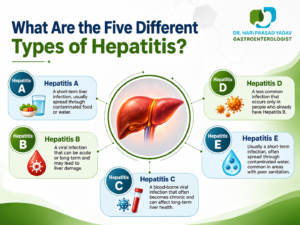
What Are the Five Different Types of Hepatitis?
Viral hepatitis is classified into five main types. Although all five affect the liver, they differ in transmission, severity, complications and treatment.
1. Hepatitis A
Hepatitis A is caused by the hepatitis A virus (HAV). It generally spreads through contaminated food or water and close contact with an infected person.
Common risk factors include:
- Drinking unsafe water.
- Eating contaminated food.
- Poor sanitation.
- Inadequate hand hygiene.
- Close contact with an infected individual.
Symptoms may include fever, fatigue, nausea, vomiting, abdominal discomfort, dark urine and jaundice. Hepatitis A generally causes an acute infection and does not usually become chronic. Most people recover completely.
There is no specific antiviral medicine for routine Hepatitis A infection. Treatment focuses on hydration, adequate nutrition, rest and symptom management. Vaccination can help prevent infection.
2. Hepatitis B
Hepatitis B is a viral infection caused by the hepatitis B virus (HBV). It spreads through infected blood and certain body fluids. Transmission may occur through unsafe injections, contaminated medical equipment, exposure to infected blood and from an infected mother to her baby during childbirth.
Possible symptoms include:
- Persistent fatigue.
- Loss of appetite.
- Nausea and vomiting.
- Upper abdominal discomfort.
- Dark-coloured urine.
- Pale stools.
- Yellowing of the eyes and skin.
Some people recover from acute Hepatitis B, while others develop chronic infection. Chronic infection may remain unnoticed for years and gradually cause liver inflammation, fibrosis or cirrhosis. Hepatitis B Treatment in Indore depends on the stage of infection, viral activity and liver condition. Acute infection is generally managed with supportive care. Selected patients with chronic infection may require antiviral medicines such as tenofovir or entecavir.
Not every patient with a positive Hepatitis B test requires immediate medication. Blood investigations, viral levels and liver assessment help determine the appropriate approach. Hepatitis B vaccination is an effective preventive measure and also protects against Hepatitis D.
3. Hepatitis C
Hepatitis C is caused by the hepatitis C virus (HCV). It primarily spreads through exposure to infected blood.
Common risk factors include:
- Sharing contaminated needles.
- Unsafe injection practices.
- Improperly sterilised medical instruments.
- Unscreened blood exposure.
- Certain healthcare-related exposures.
Many individuals do not experience noticeable symptoms during the early stages. This is one reason why the infection may remain undetected until liver damage develops. Possible symptoms include fatigue, nausea, loss of appetite, abdominal discomfort, joint pain, dark urine and jaundice. Chronic Hepatitis C can cause progressive liver inflammation, fibrosis and cirrhosis. However, modern antiviral medicines can cure the infection in most patients. Hepatitis C Treatment in Indore generally involves direct-acting antiviral (DAA) medicines. The treatment plan depends on the patient’s medical history, liver condition, previous treatment and possible medication interactions. Early diagnosis and appropriate treatment can significantly reduce the risk of long-term liver complications.
4. Hepatitis D
Hepatitis D is caused by the hepatitis D virus (HDV). It is different from other hepatitis infections because it can only occur in individuals who also have Hepatitis B. It may develop at the same time as Hepatitis B or occur in someone who already has chronic Hepatitis B. This can increase the risk of severe liver inflammation.
Common symptoms include:
- Fatigue and weakness.
- Nausea.
- Loss of appetite.
- Abdominal pain.
- Dark urine.
- Jaundice.
Diagnosis involves specific blood investigations to detect the infection and assess liver health. Management depends on the stage of disease and the patient’s overall condition.
Preventing Hepatitis B through vaccination also helps prevent Hepatitis D.
5. Hepatitis E
Hepatitis E is usually transmitted through contaminated drinking water or food. It is associated with poor sanitation and unsafe water supplies. Most infections cause an acute illness and resolve without chronic liver damage in otherwise healthy individuals. However, the infection can become particularly serious during pregnancy and in people with certain underlying medical conditions.
Common symptoms include:
- Fever.
- Fatigue.
- Nausea and vomiting.
- Loss of appetite.
- Abdominal discomfort.
- Dark urine.
- Yellowing of the skin and eyes.
Most acute cases are managed with supportive care, adequate hydration and medical monitoring. Severe cases may require hospitalisation. Pregnant women with suspected Hepatitis E should seek prompt medical evaluation because the infection can cause serious complications.
What Are the Common Causes of Hepatitis?
Hepatitis can develop due to infectious and non-infectious factors. Identifying the cause is essential because the treatment approach differs according to the underlying condition.
1. Viral Infections
Hepatitis A, B, C, D and E viruses are major causes of liver inflammation. Each virus has different transmission methods. Contaminated food and water commonly spread Hepatitis A and E, while exposure to infected blood and certain body fluids is associated with Hepatitis B, C and D.
2. Excessive Alcohol Consumption
Regular excessive alcohol consumption can damage liver cells and cause inflammation. Continued alcohol exposure may lead to alcoholic hepatitis, fatty liver disease, fibrosis and cirrhosis. Avoiding alcohol is an important part of managing alcohol-related liver damage.
3. Certain Medications and Supplements
Some prescription medicines, over-the-counter drugs and herbal supplements may cause liver injury. The risk depends on the medication, dosage, duration of use and individual health factors. Medicines should only be started or stopped after appropriate medical advice.
4. Autoimmune Hepatitis
Autoimmune hepatitis occurs when the immune system mistakenly attacks healthy liver cells. This can cause persistent inflammation and progressive liver damage. Treatment may involve medicines that suppress the abnormal immune response and help control inflammation.
5. Fatty Liver and Metabolic Conditions
Metabolic dysfunction-associated steatotic liver disease (MASLD) involves excessive fat accumulation in the liver. In some people, this can progress to inflammation known as metabolic dysfunction-associated steatohepatitis (MASH). A Gastroenterologist in Indore can evaluate suspected liver inflammation and recommend appropriate investigations based on the patient’s condition.
What Are the Early Signs and Symptoms of Hepatitis?
The symptoms of hepatitis vary according to the type of infection and the extent of liver inflammation. Some patients may have no noticeable symptoms, especially during the early stages.
Common warning signs include:
1. Yellowing of the Skin and Eyes
Jaundice occurs when bilirubin accumulates in the bloodstream, causing yellow discolouration of the skin and eyes. It can indicate a liver or bile-related problem.
2. Persistent Fatigue
People with hepatitis may experience unusual tiredness, weakness and reduced energy levels. These symptoms can affect everyday activities.
3. Dark-Coloured Urine
Increased bilirubin levels can make urine appear dark brown or tea-coloured.
4. Loss of Appetite
Liver inflammation may cause reduced appetite, nausea and discomfort after meals. Some individuals may also experience unintended weight loss.
5. Abdominal Pain
Discomfort may occur in the upper-right part of the abdomen, where the liver is located.
6. Nausea and Vomiting
Nausea, vomiting and digestive discomfort can occur during acute hepatitis infections.
7. Pale-Coloured Stools
Changes in bile flow may cause stools to become pale or clay-coloured.
8. Itching
Certain liver conditions can cause itching due to the accumulation of substances associated with impaired bile flow. These symptoms do not confirm hepatitis on their own. Other liver, gallbladder and digestive conditions may cause similar problems. A specialist examination and appropriate investigations are needed to identify the cause.
How Is Hepatitis Diagnosed?
Accurate diagnosis helps identify the type of infection, assess liver inflammation and determine whether treatment is necessary. A doctor may recommend the following investigations.
1. Liver Function Tests (LFT)
Liver function tests help assess liver health by measuring different substances in the blood.
Common parameters include:
- ALT (Alanine Aminotransferase).
- AST (Aspartate Aminotransferase).
- Bilirubin.
- Alkaline Phosphatase (ALP).
- Albumin.
Abnormal results may indicate liver injury or inflammation, but they do not establish the exact cause on their own.
2. Viral Hepatitis Blood Tests
Specific blood tests help identify different viral infections.
These may include:
- Hepatitis A IgM antibody.
- Hepatitis B surface antigen (HBsAg).
- Hepatitis B core antibodies.
- Hepatitis B viral DNA.
- Hepatitis C antibody.
- Hepatitis C RNA.
- Hepatitis D antibodies or RNA.
- Hepatitis E IgM antibody or RNA.
The selection of tests depends on the patient’s symptoms, medical history and suspected infection.
3. Ultrasound of the Abdomen
An abdominal ultrasound helps examine the liver, gallbladder and nearby structures. It may identify fatty changes, liver enlargement and abnormalities suggestive of chronic liver disease.
4. Fibroscan
Fibroscan is a non-invasive investigation used to measure liver stiffness and estimate the degree of fibrosis. It can also provide information about liver fat. It may be recommended when chronic hepatitis or another long-term liver condition is suspected.
5. Liver Biopsy
A liver biopsy involves collecting a small sample of liver tissue for laboratory examination. It may be recommended in selected cases when additional information is required to assess liver damage or clarify the diagnosis.
Not every patient with hepatitis needs a biopsy.
What Are the Treatment Options for Hepatitis?
Treatment depends on the type of hepatitis, severity of inflammation, extent of liver damage and overall health of the patient. The main objectives are to control the underlying cause, reduce inflammation, prevent complications and preserve liver function.
1. Treatment for Hepatitis A
Most people recover from Hepatitis A without specific antiviral medication.
Treatment generally includes:
- Maintaining adequate hydration.
- Eating a balanced diet.
- Getting sufficient rest.
- Managing nausea and other symptoms.
- Avoiding substances that may further damage the liver.
Medical monitoring is important, particularly when symptoms are severe.
2. Treatment for Hepatitis B
Acute Hepatitis B is generally managed with supportive care and monitoring. Most adults recover without requiring specific antiviral medicines. Chronic infection may require antiviral treatment in selected patients. Medicines such as tenofovir and entecavir may be prescribed according to clinical findings. People considering Hepatitis B Treatment in Indore should undergo appropriate assessment because treatment decisions depend on viral activity, liver enzyme levels, fibrosis and other risk factors. Regular follow-up is important to monitor liver health and identify complications.
3. Treatment for Hepatitis C
Hepatitis C is treated using direct-acting antiviral medicines. These medicines target different stages of viral replication and can cure the infection in most patients. The treatment plan depends on previous treatment history, liver condition, other health problems and medication interactions. Patients considering Hepatitis C Treatment in Indore should undergo appropriate testing before starting medicines. Follow-up testing helps confirm whether the virus has been successfully cleared.
4. Treatment for Hepatitis D
Hepatitis D requires specialist evaluation because it occurs alongside Hepatitis B. Depending on eligibility and clinical findings, treatment may involve specific antiviral or interferon-based approaches and regular monitoring. Patients with advanced liver disease may require evaluation for additional treatment options, including liver transplantation in selected cases.
5. Treatment for Hepatitis E
Most acute Hepatitis E infections resolve with supportive care.
Treatment may involve hydration, adequate nutrition and medical monitoring. Hospitalisation may be necessary in severe cases, especially when there are signs of acute liver failure.
6. Treatment for Non-Viral Hepatitis
When liver inflammation is caused by alcohol, medication-related injury, autoimmune conditions or metabolic disorders, treatment focuses on the underlying cause.
Management may include:
- Avoiding alcohol.
- Reviewing potentially harmful medicines.
- Controlling metabolic risk factors.
- Specific treatment for autoimmune hepatitis.
- Regular monitoring of liver health.
- Nutritional and lifestyle modifications.
The appropriate approach should always be based on an accurate diagnosis.
What Complications Can Occur If Hepatitis Is Left Untreated?
Not every type of hepatitis causes permanent liver damage. However, chronic infections and persistent inflammation can lead to serious complications.
1. Liver Fibrosis
Long-term inflammation can cause scar tissue to develop in the liver. This process is called fibrosis and may gradually affect normal liver function.
2. Liver Cirrhosis
Advanced fibrosis can progress to cirrhosis, a condition in which extensive scar tissue replaces healthy liver tissue. Cirrhosis may cause fluid accumulation in the abdomen, internal bleeding and reduced liver function.
3. Liver Failure
Severe acute hepatitis or advanced chronic liver disease can lead to liver failure. This is a serious condition requiring urgent medical attention.
4. Liver Cancer
Chronic Hepatitis B and C can increase the risk of hepatocellular carcinoma, a common type of primary liver cancer.
5. Portal Hypertension
Advanced liver scarring can increase pressure in the portal venous system. This may lead to enlarged veins in the digestive tract and fluid accumulation. A Liver Specialist in Indore can help assess liver damage and determine whether additional monitoring or treatment is necessary.
How Can Hepatitis Be Prevented?
Prevention depends on the type of hepatitis and its transmission route. Vaccination, safe hygiene practices and avoiding exposure to infected blood can reduce the risk.
1. Maintain Proper Food and Water Hygiene
Drink clean water and avoid food prepared under unhygienic conditions. Wash fruits and vegetables properly and maintain hand hygiene before eating and after using the toilet.
2. Get Recommended Vaccinations
Vaccines are available for Hepatitis A and B. Hepatitis B vaccination also helps prevent Hepatitis D.
3. Avoid Sharing Personal Items
Do not share razors, toothbrushes, needles or other items that may come into contact with blood.
4. Choose Safe Medical Procedures
Ensure that medical instruments, injection equipment and tattooing tools are properly sterilised.
5. Practise Safer Sexual Health
Appropriate protective measures can reduce the risk of Hepatitis B transmission through sexual contact.
6. Avoid Excessive Alcohol Consumption
Excessive alcohol can contribute to liver injury and worsen existing liver conditions.
7. Avoid Unnecessary Medication
Do not take medicines, herbal products or supplements without checking whether they are appropriate for your liver health.
When Should You Consult a Liver Specialist in Indore?
Some people with hepatitis experience mild symptoms, while others may develop serious complications. Early medical evaluation is important when symptoms suggest a possible liver problem.
Consider seeking medical advice if you experience:
- Yellowing of the eyes or skin.
- Dark-coloured urine.
- Persistent fatigue or weakness.
- Unexplained loss of appetite.
- Repeated nausea or vomiting.
- Pain in the upper-right abdomen.
- Abnormal liver function test results.
- A positive Hepatitis B or C screening result.
- Persistent itching with other liver symptoms.
Seek urgent medical attention if you develop confusion, unusual drowsiness, bleeding, severe abdominal swelling or persistent vomiting. Patients looking for Liver Disease Treatment in Indore should undergo proper assessment to determine whether symptoms are related to viral hepatitis, fatty liver disease, medication-related injury or another condition.
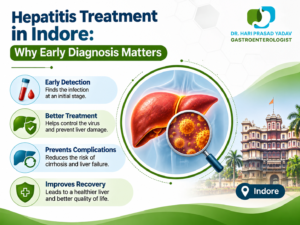
Hepatitis Treatment in Indore: Why Early Diagnosis Matters
Hepatitis can affect individuals differently depending on the infection type, degree of inflammation and presence of other health conditions. Some infections resolve with supportive care, while others require antiviral medicines and long-term monitoring. Without appropriate evaluation, chronic inflammation may gradually cause permanent liver damage.
Early diagnosis helps doctors:
- Identify the specific type of hepatitis.
- Assess liver inflammation and function.
- Determine whether antiviral treatment is necessary.
- Monitor fibrosis and other signs of liver damage.
- Identify possible complications.
- Plan suitable follow-up investigations.
People seeking Hepatitis Treatment in Indore should not rely only on symptoms to determine the type or severity of infection. Blood tests and other investigations help guide treatment decisions. Regular monitoring is particularly important for people with chronic Hepatitis B or C because liver damage can progress even when symptoms are not noticeable.
Hepatitis Treatment in Indore: Consultation with Dr. Hari Prasad Yadav
Dr. Hari Prasad Yadav is a Gastroenterologist and Liver Specialist in Indore. He holds DM in Gastroenterology, MD in Medicine and MBBS qualifications. His professional expertise includes digestive system disorders, liver diseases, endoscopic procedures and minimally invasive treatments. His clinical practice includes the evaluation and management of different gastrointestinal and liver-related conditions.
Advanced Diagnostic and Therapeutic Procedures
Endoscopy: Used to examine the digestive tract and investigate selected gastrointestinal symptoms.
Endoscopic Ultrasound (EUS): Combines endoscopy and ultrasound imaging to assess structures around the digestive tract, including the pancreas and bile ducts.
ERCP: A specialised endoscopic procedure used to diagnose and treat selected bile duct and pancreatic duct conditions.
SPY-Glass Cholangioscopy: Allows direct visual examination of the bile ducts in selected cases.
Laser Lithotripsy: A specialised procedure used in selected cases to break stones into smaller fragments.
Capsule Endoscopy: Uses a small camera-containing capsule to examine parts of the digestive tract.
Upper and Lower GI Endoscopy: Procedures used to examine the upper digestive tract and colon.
Fibroscan: A non-invasive investigation used to assess liver stiffness and estimate fibrosis.
His liver-related clinical services include Fibroscan, hepatology services and liver transplant surgery for advanced cases.
Patients looking for a Gastroenterologist in Indore can review his professional profile and clinical services through his official website.
A consultation can help determine the investigations required to assess liver health and whether further treatment or monitoring is appropriate. The care plan is individualised according to the diagnosis, medical history and clinical findings.
Doctor: Dr. Hari Prasad Yadav
Speciality: Gastroenterologist and Liver Specialist
Qualifications: DM Gastroenterology, MD Medicine, MBBS
Location: Indore, Madhya Pradesh, India
Frequently Asked Questions – Hepatitis Treatment in Indore
1. What is hepatitis, and why is Hepatitis Treatment in Indore important?
Hepatitis is inflammation of the liver caused by viral infections, alcohol, medications or autoimmune conditions. Early evaluation helps identify the underlying cause and determine whether treatment or regular monitoring is required. Untreated chronic hepatitis can lead to fibrosis, cirrhosis and liver cancer.
2. What are the five main types of hepatitis?
The five main types of viral hepatitis are Hepatitis A, B, C, D and E. They differ in transmission routes, duration and possible complications. Hepatitis A and E generally cause acute infections, whereas Hepatitis B, C and D can become chronic.
3. Which symptoms indicate that I should consult a Hepatitis Specialist in Indore?
Yellowing of the eyes, dark urine, persistent fatigue, nausea, abdominal discomfort and unexplained abnormal liver test results may require medical evaluation. Some people with chronic hepatitis do not experience noticeable symptoms, making appropriate screening important.
4. Is Hepatitis B a curable condition?
Some people with acute Hepatitis B recover completely. Chronic Hepatitis B can often be controlled with antiviral medicines in selected patients, although treatment does not usually eliminate the virus completely. Regular blood tests and liver monitoring are important.
5. What does Hepatitis B Treatment in Indore involve?
Management depends on whether the infection is acute or chronic. Acute infection generally requires supportive care, while selected patients with chronic infection may need antiviral medicines such as tenofovir or entecavir. Treatment decisions depend on viral activity and liver health.
6. Can Hepatitis C be completely cured?
Yes. Modern direct-acting antiviral medicines can cure Hepatitis C in most patients. Treatment generally lasts around 8–12 weeks, depending on the prescribed regimen and clinical situation. Follow-up testing helps confirm whether the infection has cleared.
7. When should I consult a Liver Specialist in Indore for abnormal liver function tests?
You should discuss persistently abnormal ALT, AST, bilirubin or other liver-related test results with a healthcare professional. The doctor may recommend additional blood tests, ultrasound or Fibroscan depending on your symptoms and medical history.
8. Can hepatitis cause permanent liver damage?
Some types of hepatitis resolve without lasting liver damage. However, chronic inflammation caused by Hepatitis B, C or D and certain non-viral liver conditions can lead to fibrosis, cirrhosis and liver failure if not appropriately managed.
9. Which tests are required to diagnose hepatitis?
Diagnosis may involve liver function tests, hepatitis-specific blood tests, viral DNA or RNA testing, abdominal ultrasound and Fibroscan. A liver biopsy may be recommended in selected cases. The required investigations depend on the suspected infection and clinical findings.
10. How can I reduce my risk of developing hepatitis?
Maintain proper food and water hygiene, receive recommended Hepatitis A and B vaccinations, avoid sharing needles or personal items that may carry blood, choose safe medical procedures and avoid excessive alcohol consumption.
11. Can hepatitis be present without any symptoms?
Yes. Some people, particularly those with chronic Hepatitis B or C, may not experience noticeable symptoms for years. Appropriate screening and investigations can help detect infection before significant liver complications develop.
12. Which doctor should I consult for Liver Disease Treatment in Indore?
A Gastroenterologist or Hepatologist can evaluate hepatitis and other liver conditions. Dr. Hari Prasad Yadav is a Gastroenterologist and Liver Specialist in Indore whose clinical services include hepatology care and Fibroscan assessment.
Conclusion – Hepatitis Treatment in Indore
Hepatitis is a condition involving inflammation of the liver that can develop due to viral infections, excessive alcohol consumption, medications, autoimmune conditions and metabolic disorders. The five major types of viral hepatitis are A, B, C, D and E. Each type has different transmission routes, symptoms, complications and treatment approaches. While some infections resolve with supportive care, chronic Hepatitis B and C may require specific antiviral treatment and regular liver monitoring. Early diagnosis is important for reducing the risk of complications such as fibrosis, cirrhosis and liver cancer.
People experiencing jaundice, persistent fatigue, dark urine, abdominal discomfort or abnormal liver test results should seek appropriate medical evaluation. Consulting a qualified specialist can help identify the underlying cause and guide suitable care. Patients exploring Hepatitis Treatment in Indore can review Dr. Hari Prasad Yadav’s professional profile and liver-related clinical services through his official website.