Hepatitis Treatment in Indore: Types, Causes, Symptoms and Treatment Options
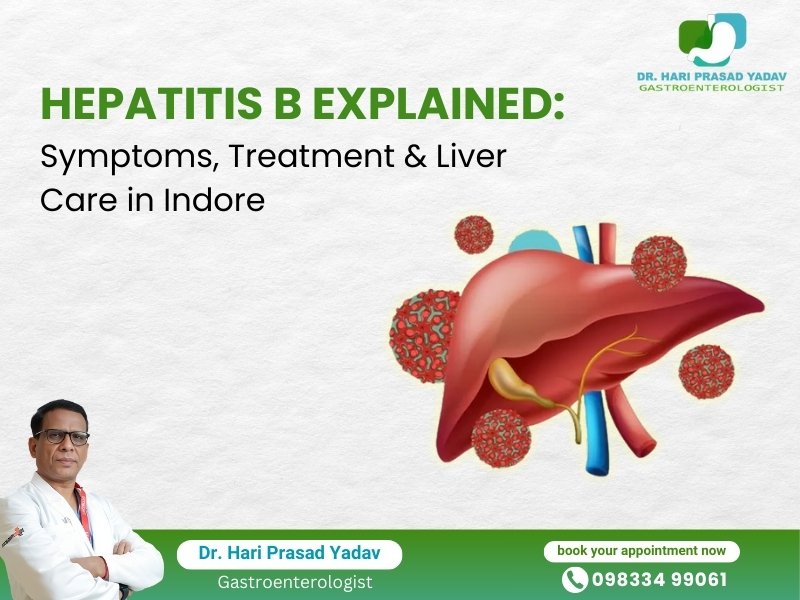
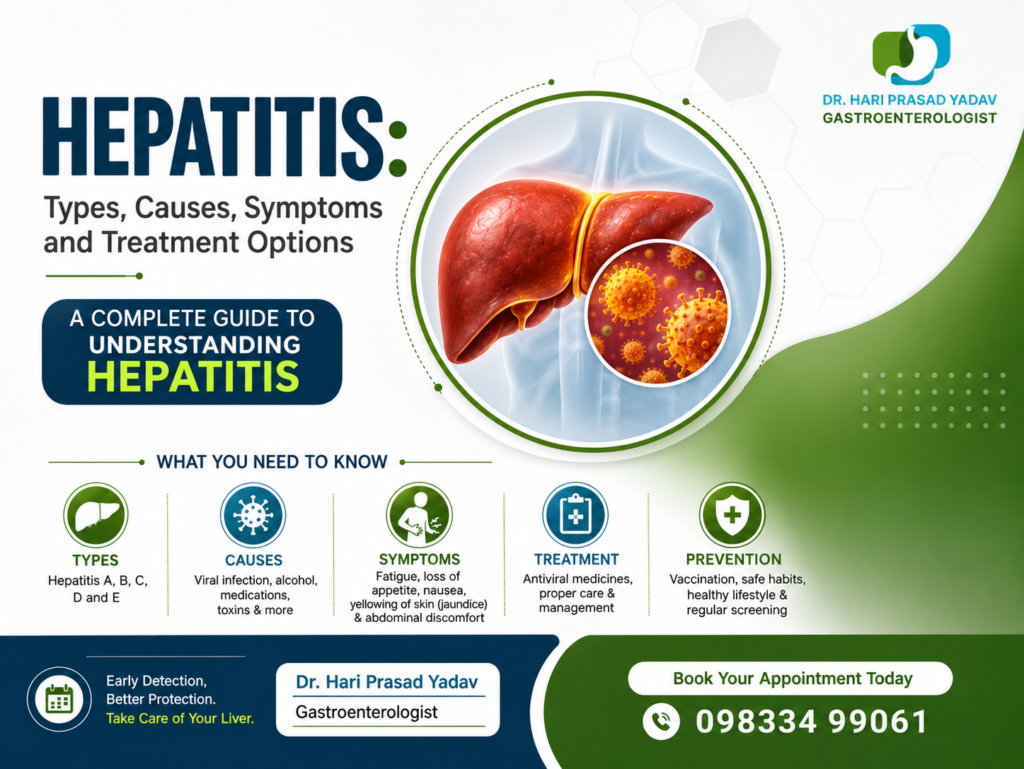
Hepatitis Treatment in Indore is important for people experiencing liver inflammation due to viral infections, alcohol consumption, medications or other underlying health conditions. Hepatitis is a medical condition that affects the liver and can interfere with its ability to perform essential functions such as digestion, metabolism, filtering harmful substances and processing nutrients. Depending on its cause and severity, hepatitis may be temporary or develop into a long-term liver condition. Hepatitis is commonly divided into five major viral types: Hepatitis A, B, C, D and E. Each type has different causes, transmission methods, symptoms and treatment approaches. Some types generally cause short-term infections, while others can lead to chronic inflammation and progressive liver damage. Many people with hepatitis do not experience noticeable symptoms during the early stages. However, untreated chronic infections may increase the risk of liver fibrosis, cirrhosis and liver cancer. Early diagnosis and appropriate medical evaluation are therefore important for protecting liver health. Consulting a Hepatitis Specialist in Indore can help identify the underlying cause and determine whether treatment or regular monitoring is required. Dr. Hari Prasad Yadav is a Gastroenterologist and Liver Specialist in Indore. He holds DM in Gastroenterology, MD in Medicine and MBBS qualifications. His clinical expertise includes digestive system disorders, liver diseases, diagnostic endoscopy and minimally invasive procedures. His clinical services include Endoscopy, Endoscopic Ultrasound (EUS), ERCP, SPY-Glass Cholangioscopy, Laser Lithotripsy, Capsule Endoscopy, Upper and Lower GI Endoscopy, Fibroscan and hepatology services. This article explains the different types of hepatitis, their causes, symptoms, diagnosis, available treatment options and preventive measures. What Is Hepatitis and How Does It Affect the Liver? Hepatitis refers to inflammation of the liver. It develops when liver cells become injured due to viruses, excessive alcohol consumption, certain medications, toxins or an abnormal immune response. The liver performs several important functions that support overall health. These include: Processing nutrients from food. Producing bile to support digestion. Removing harmful substances from the bloodstream. Storing vitamins, minerals and energy. Producing proteins required for blood clotting. Supporting the body’s metabolism. When inflammation affects liver tissue, these functions may become impaired. The severity depends on the cause, duration and extent of liver damage. Hepatitis can be classified into two broad categories: Acute Hepatitis: This develops over a relatively short period. Hepatitis A and E commonly cause acute infections, although other types can also present acutely. Many patients recover with appropriate medical care. Chronic Hepatitis: This occurs when liver inflammation continues for six months or longer. Hepatitis B, C and D may become chronic. Persistent inflammation can gradually cause scarring of liver tissue. Understanding whether the infection is acute or chronic is an important part of planning Hepatitis Treatment in Indore. What Are the Five Different Types of Hepatitis? Viral hepatitis is classified into five main types. Although all five affect the liver, they differ in transmission, severity, complications and treatment. 1. Hepatitis A Hepatitis A is caused by the hepatitis A virus (HAV). It generally spreads through contaminated food or water and close contact with an infected person. Common risk factors include: Drinking unsafe water. Eating contaminated food. Poor sanitation. Inadequate hand hygiene. Close contact with an infected individual. Symptoms may include fever, fatigue, nausea, vomiting, abdominal discomfort, dark urine and jaundice. Hepatitis A generally causes an acute infection and does not usually become chronic. Most people recover completely. There is no specific antiviral medicine for routine Hepatitis A infection. Treatment focuses on hydration, adequate nutrition, rest and symptom management. Vaccination can help prevent infection. 2. Hepatitis B Hepatitis B is a viral infection caused by the hepatitis B virus (HBV). It spreads through infected blood and certain body fluids. Transmission may occur through unsafe injections, contaminated medical equipment, exposure to infected blood and from an infected mother to her baby during childbirth. Possible symptoms include: Persistent fatigue. Loss of appetite. Nausea and vomiting. Upper abdominal discomfort. Dark-coloured urine. Pale stools. Yellowing of the eyes and skin. Some people recover from acute Hepatitis B, while others develop chronic infection. Chronic infection may remain unnoticed for years and gradually cause liver inflammation, fibrosis or cirrhosis. Hepatitis B Treatment in Indore depends on the stage of infection, viral activity and liver condition. Acute infection is generally managed with supportive care. Selected patients with chronic infection may require antiviral medicines such as tenofovir or entecavir. Not every patient with a positive Hepatitis B test requires immediate medication. Blood investigations, viral levels and liver assessment help determine the appropriate approach. Hepatitis B vaccination is an effective preventive measure and also protects against Hepatitis D. 3. Hepatitis C Hepatitis C is caused by the hepatitis C virus (HCV). It primarily spreads through exposure to infected blood. Common risk factors include: Sharing contaminated needles. Unsafe injection practices. Improperly sterilised medical instruments. Unscreened blood exposure. Certain healthcare-related exposures. Many individuals do not experience noticeable symptoms during the early stages. This is one reason why the infection may remain undetected until liver damage develops. Possible symptoms include fatigue, nausea, loss of appetite, abdominal discomfort, joint pain, dark urine and jaundice. Chronic Hepatitis C can cause progressive liver inflammation, fibrosis and cirrhosis. However, modern antiviral medicines can cure the infection in most patients. Hepatitis C Treatment in Indore generally involves direct-acting antiviral (DAA) medicines. The treatment plan depends on the patient’s medical history, liver condition, previous treatment and possible medication interactions. Early diagnosis and appropriate treatment can significantly reduce the risk of long-term liver complications. 4. Hepatitis D Hepatitis D is caused by the hepatitis D virus (HDV). It is different from other hepatitis infections because it can only occur in individuals who also have Hepatitis B. It may develop at the same time as Hepatitis B or occur in someone who already has chronic Hepatitis B. This can increase the risk of severe liver inflammation. Common symptoms include: Fatigue and weakness. Nausea. Loss of appetite. Abdominal pain. Dark urine. Jaundice. Diagnosis involves specific blood investigations to detect the infection and assess liver health. Management depends on the stage of disease and the patient’s